Still Running on High Alert? Your Nervous System Hasn't Gotten the Memo Yet
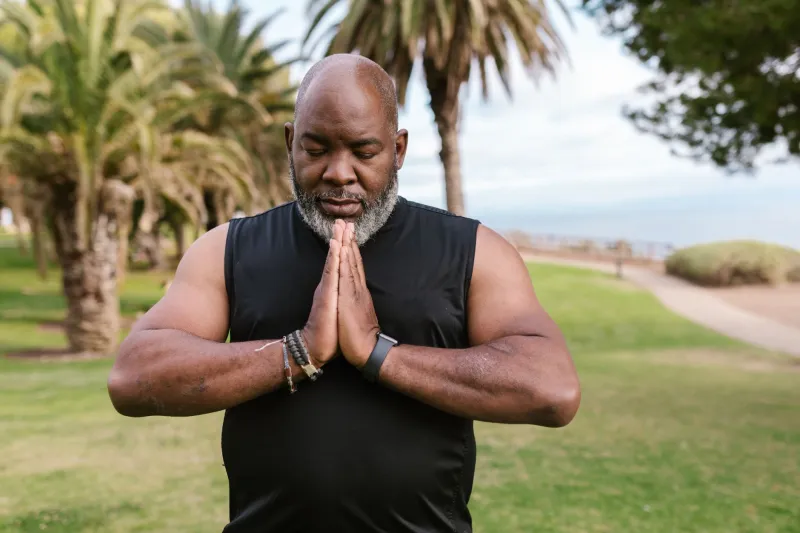
Let's say you just wrapped up the most grueling quarter of your career. Or maybe you finally left a workplace that had you walking on eggshells for two years. The threat is gone. The circumstances have changed. And yet — your jaw is still tight. Your sleep is still fragmented. You still flinch when your phone lights up, even though it's just a text from your mom.
This isn't weakness or ingratitude. It's neuroscience. Your nervous system is running last week's schedule, and it hasn't received your update yet.
Why Your Body Is Slow to Believe Things Are Okay
Your autonomic nervous system (ANS) — the branch of your nervous system that governs your stress and recovery responses — is not a rational actor. It doesn't read calendars. It doesn't get the email that says the project is done or the toxic boss is gone. It responds to patterns, and patterns take time to change.
The ANS has two primary modes most people have heard of: the sympathetic nervous system (your fight-or-flight accelerator) and the parasympathetic nervous system (your rest-and-digest brake). When you spend extended time in a high-stress environment, your system gets conditioned to run hot. It learns that vigilance is survival. Over time, that baseline shifts — and your nervous system starts treating high alert as the default, not the exception.
Neuroscientists call this allostatic load: the cumulative wear on the body from prolonged stress. Think of it like a thermostat that's been stuck at 80 degrees for so long that it doesn't quite know how to read 68 anymore. Even when the temperature in the room drops, the thermostat keeps overcorrecting.
This is why people often feel worse — not better — in the weeks immediately following a major stressor ending. The adrenaline that was keeping them functional fades, and what's underneath is exhaustion, hypervigilance, and a nervous system that still hasn't gotten the all-clear signal.
The Lag Is Real — And It Has a Timeline
Research on stress recovery suggests that the nervous system doesn't snap back quickly, especially after chronic exposure to pressure. A 2020 study on burnout recovery found that even after removing the primary stressor, many participants still showed elevated cortisol patterns and disrupted heart rate variability for weeks to months afterward — not days.
For busy professionals, this lag often goes unnoticed because the pace doesn't slow down long enough to feel it. You finish one high-stakes project and immediately start the next. You leave one stressful job and spend three weeks in a frantic job search. The nervous system never gets a genuine gap to recalibrate — it just gets a brief pause before the next signal arrives.
And here's the sneaky part: your brain will often find new things to be stressed about to fill the gap. Not because you're a pessimist or a worrier by nature, but because a nervous system calibrated for threat looks for threats. It's doing its job. It's just doing a job that's no longer necessary.
Signs Your Nervous System Is Still Running Old Code
Before you can recalibrate, it helps to recognize the signs. Some of the most common include:
- Irritability that seems out of proportion to what's actually happening around you
- Difficulty sitting still or tolerating quiet — like your body keeps expecting something to go wrong
- Sleep that doesn't restore you, even when you get enough hours
- A persistent sense of dread or anticipation without a clear source
- Overreacting to small inconveniences — a slow internet connection, a minor scheduling conflict — as if they're genuine emergencies
- Trouble feeling present in conversations or activities, even ones you normally enjoy
None of these mean something is permanently wrong with you. They mean your nervous system is still in the pattern it learned. The good news: patterns can be unlearned.
Practical Ways to Help Your System Recalibrate
Recalibrating your nervous system isn't about thinking your way to calm. It's about giving your body consistent, repeated signals that the environment has actually changed. Here's what that looks like in practice:
Establish genuine transition rituals. Your nervous system responds to cues. If you used to log off work and immediately pick up your phone to scroll, your body never got a clear signal that the workday ended. Creating a consistent, physical transition — changing clothes, a short walk around the block, five minutes of stretching — trains your body to recognize a shift in context. Do it at the same time every day and the nervous system starts to trust it.
Prioritize heart rate variability (HRV) recovery. HRV is one of the most reliable biomarkers of nervous system health. Slow, rhythmic breathing — particularly exhales that are longer than inhales — directly stimulates the vagus nerve and activates the parasympathetic brake. Even five minutes of 4-7-8 breathing (inhale for 4 counts, hold for 7, exhale for 8) practiced consistently can measurably shift your baseline over time.
Reduce low-grade input noise. A nervous system that's been overstimulated needs less incoming data, not more. That means intentionally reducing background noise, notifications, and media consumption — not as a permanent lifestyle change, but as a short-term recovery strategy. Think of it as lowering the volume on the world while your internal signal resets.
Use movement that isn't performance-oriented. High-intensity workouts can actually spike cortisol further in someone who's already dysregulated. Gentle, rhythmic movement — walking, swimming, yoga, cycling at a conversational pace — tends to be more effective for nervous system recovery because it engages the body without triggering a new stress response.
Give yourself a genuine completion signal. One of the reasons nervous systems get stuck is that there's no clear "done" moment — the project finishes but you immediately start reviewing what you could have done better. Try creating deliberate closure rituals: writing a brief "this is complete" note to yourself, taking a different route home on the last day of a project, or even just saying out loud "that chapter is closed." It sounds small, but symbolic closure gives the brain a concrete update.
Patience Is Part of the Protocol
Recalibrating a chronically activated nervous system takes longer than most people expect, and that's okay. The same way it took time for your body to learn that high alert was the default, it takes time to learn that safety is. You're not failing if it doesn't happen in a week.
What matters is consistency — not perfection. Small, repeated signals of safety, rest, and completion gradually shift the thermostat back toward baseline. And one day, you'll notice that your shoulders aren't up around your ears. That you slept through the night. That your phone lit up and you didn't flinch.
That's the memo finally arriving. It just needed a little time to get there.